
Understand how your breathing works – and make it your most reliable partner.
BREATHING SEEMS SIMPLE – UNTIL YOU START TO THINK ABOUT IT.
Breathing is something we do automatically, thousands of times a day. Yet the moment we look more closely, it becomes surprisingly complex.
It has to adapt constantly to what we are doing and what our body needs — whether we’re resting, exercising, speaking, singing, sleeping or responding to stress.
And when breathing becomes difficult or poorly coordinated, understanding what is actually happening can be the first step towards changing it.
WHEN BREATHING BECOMES A PROBLEM
Breathing difficulties can show up in very different ways. Sometimes there is a clear respiratory diagnosis; sometimes the difficulty appears mainly during exercise, speaking or singing; and sometimes breathing simply feels effortful, uncomfortable or difficult to coordinate.
I work with people who experience breathing difficulties in connection with:
Asthma & COPD
Understanding breathing patterns and respiratory coordination alongside your existing medical care.
EIB & EILO
Exploring what happens to your breathing during exercise and developing strategies that are appropriate to your individual situation.
Dysfunctional breathing
Working with breathing patterns that feel inefficient, uncomfortable or difficult to control.
Anxiety & the nervous system
Breathing can change significantly with anxiety, and changes in breathing can in turn influence how we experience anxiety and physical sensations. We can work on recognising these patterns and developing breathing strategies that help you feel more comfortable and in control.
Breathing-related symptoms without a clear explanation
Making sense of breathing sensations and patterns when you know something isn’t working well but don’t yet have a clear answer.
My work is complementary to medical diagnosis and treatment. I don’t diagnose respiratory conditions; instead, I work with the functional aspects of breathing and help you develop a better understanding of how your breathing responds to different demands.
BREATHING & PERFORMANCE
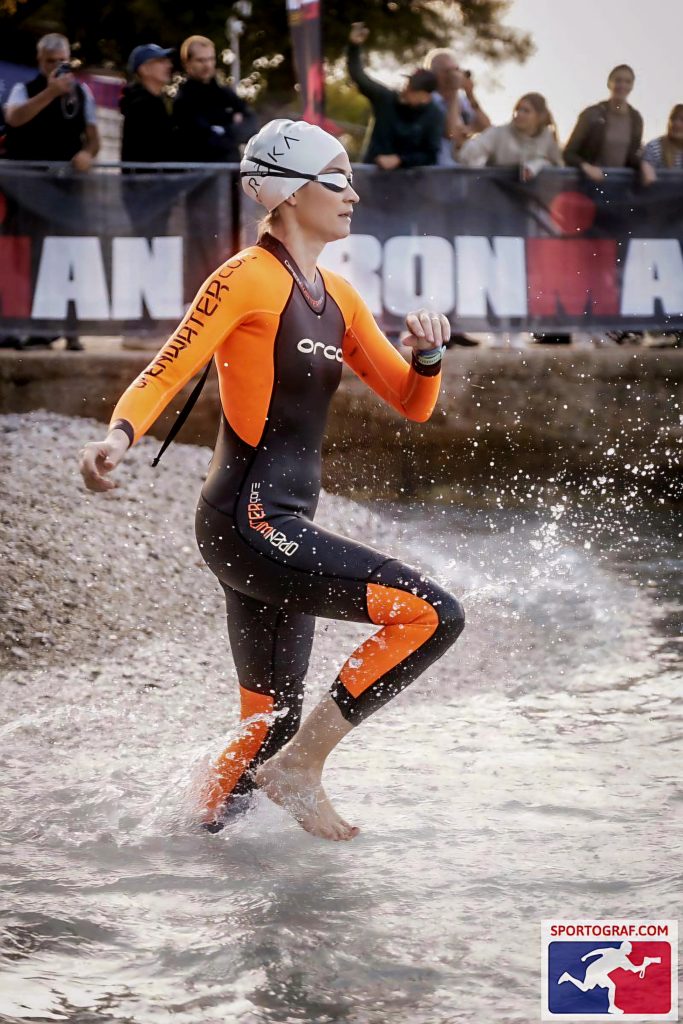
Breathing has to adapt continuously as the demands on the body change. During exercise, breathing becomes part of the coordination between effort, movement and recovery — and when that coordination isn’t working well, it can affect how exercise feels and how you perform.
I work with athletes and physically active people who want to better understand their breathing during exercise, improve respiratory coordination, or find strategies that work for the demands of their particular sport.
We can look at things such as:
Breathing during exercise
What changes as intensity increases, and how your breathing responds to different types of effort.
Breathing & movement
How respiratory and whole-body movement interact during exercise and sport.
Breathing difficulties during exercise
Understanding symptoms such as breathlessness, noisy breathing or a feeling of airway restriction — particularly when these occur during physical activity.
Performance & recovery
Exploring how breathing relates to physical effort, recovery and your ability to adapt to changing demands.
There is no single “athletic breathing technique”. Effective breathing is adaptable — and what works depends on the person, the activity and the demands of the moment.
BREATHING, THE NERVOUS SYSTEM, PAIN & SLEEP
Breathing is closely connected to the nervous system. It changes with our level of arousal, attention, emotion, movement and effort — and at the same time, breathing itself can influence how we experience what is happening in our bodies.
For some people, breathing becomes part of a cycle involving anxiety, pain, poor sleep or persistent physical tension. The breathing may feel difficult, uncomfortable or simply “wrong”, even when there isn’t an obvious problem with the respiratory system itself.
This is where understanding the interaction between breathing and the nervous system can be useful.
We can work with things such as:
Breathing & anxiety
Understanding how breathing changes with anxiety and heightened arousal, and developing strategies for responding to those changes.
Breathing & pain
Exploring how breathing, movement, tension and pain can influence one another — and finding ways to make breathing more comfortable and adaptable.
Breathing & sleep
Looking at breathing patterns and the relationship between breathing, arousal and rest.
Breathing & the nervous system
Developing greater awareness of how your breathing responds to different internal and external demands, and learning how to work with those responses rather than against them.
The goal isn’t to keep your nervous system calm at all times. It’s to become aware when it isn’t and to adapt accordingly.
HOW I WORK
Breathing isn’t something I try to “fix” by giving you a single technique to follow. I want both of us to understand what your breathing is doing, what demands you’re asking it to meet, and what might be getting in the way.
We start by looking at your individual breathing patterns and how they change with movement, voice, exercise, attention and different levels of effort.
Then we move on to:
Assessment & observation
Looking at how you breathe, move and coordinate your respiratory system — at rest, during movement, and when your breathing is challenged by different demands.
Hands-on work
When appropriate, I use hands-on approaches such as rib cage mobilisation and other manual techniques to explore and support respiratory movement and coordination.
Breathing Coordination
I work with MDH Breathing Coordination techniques to explore respiratory movement, reduce unnecessary effort and develop more efficient and adaptable breathing patterns.
Movement & physical demands
Exploring how breathing interacts with posture, movement, exercise, voice and physical performance.
Awareness & sensory feedback
Learning to notice what’s happening in your body rather than simply trying to make your breathing look or feel “right.”
Guided experiments & motor learning
We explore what happens when you change something, identify what makes a difference for you, and work toward patterns that can become increasingly automatic.
Tools & feedback
Where useful, I may use tools such as the Flexiflow to make airflow and respiratory coordination easier to perceive.
The goal isn’t “perfect” breathing. It’s breathing that can adapt to your needs at any given moment.
Not sure where to start? Let’s talk.
A short, no-obligation online conversation to discuss your breathing, voice, movement or performance concerns and see whether my approach could be useful for you.
We can talk about:
- what you’re experiencing and what you’d like to change
- how your breathing behaves in everyday life, exercise or performance
- what you’ve already tried
- whether working with me could be a good fit
- what the next step might look like
This is not a treatment session or assessment. It’s simply a chance to ask questions, tell me what’s going on, and decide whether you’d like to work together.
Book your 20-minute free online session to find out more →
If none of the available time slots suit you, please don’t hesitate to contact me!